The roof looks simple from the street, a neat plane of shingles or a clean line of metal. But inside that tidy silhouette is a system of layers, vents, flashings, and fasteners that either work together to protect your home or quietly scheme to drain your savings. A good roofing company doesn’t just sell shingles. It solves problems you can’t see, coordinates trades you don’t want to call, and helps you decide where to spend for longevity and where to save without gambling with leaks.
I have spent enough early mornings on roofs to know that “dry” is a team sport. Weather, ventilation, materials, and workmanship have to play nicely. If you are sorting through estimates, wondering why one price seems suspiciously cheap and another comes with a hardcover binder, here is what separates the best roofing installers from the rest, and what services you should expect when you hire a roofing company worth its ladders.
What a Roof Really Does, Beyond Keeping Rain Out
A roof regulates heat and moisture while taking a beating from sun, wind, and debris. Done right, it sheds water fast, resists uplift, breathes just enough, and partners with your insulation to keep indoor temperatures stable. Done wrong, it traps moisture until rafters grow freckles, bakes shingles until they curl, and passes drafts into the attic like a revolving door.
Consider an attic that hits 140 degrees on a July afternoon. Without adequate intake and exhaust ventilation, asphalt shingles age years in a season. On the flip side, sealed-up winter attics collect moist indoor air. That moisture condenses on cold surfaces, then drips into insulation and stains ceilings weeks later. If a roofer talks only about color and warranty but not about intake vents, exhaust vents, and the net free ventilation area, you are getting half a job.
The Diagnostic Phase: Inspections That See Past Shingles
Before anyone talks Roofing Installation, the best crews study the patient. An inspection that takes less than 20 minutes typically misses something. I like to start outside, move inside, then look at the weather history and the home’s age.
On the exterior, I look for granular loss, lifted tabs, brittle seals, and cracked or improperly lapped flashings at chimneys, skylights, and sidewalls. I check the drip edge for staining that signals ice damming. I look at valleys, since that is where debris piles up and where minor fastening errors become major leaks. I pull a few shingles near the eaves on older roofs to check the underlayment and nail patterns. If there is a ridge vent, I confirm there are actual soffit intakes feeding it, not bird blocks masquerading as ventilation.
Inside, the attic tells the truth. Darkened decking around nails suggests chronic condensation. Rusted nail tips sparkle like frost on cold mornings. Compressed or patchy insulation creates hot and cold spots that index with winter ice dams and summer heat spikes. If I can see daylight where I should not, or smell the sweet, musty note of mold, I know we have ventilation or air sealing work to do in tandem with shingle replacement.
Drone surveys sound exciting, but they only catch surface clues. Moisture meters and a flashlight do better work. Expect a thorough roofing company to document findings with photos and to explain the chain of cause and effect in plain language, not just circles and arrows.
Roofing Installation: What High-Quality Work Looks Like
The phrase Roofing Installation gets tossed around like it is just “tear off and nail new stuff.” The truth is, details drive performance. A typical re-roof involves these phases, each with its own gotchas.
Tear off and prep. A complete tear off beats laying over old shingles in almost every climate. You expose the deck, find hidden rot, and reset the baseline. When I see a second layer, I budget time to replace at least a few sheets of decking where trapped moisture has done its slow work. After tear off, we re-nail loose sheathing to bring it snug and flat. High nail pops telegraph through shingles later and break seals in wind.
Underlayment and ice barriers. This is your unseen safety net. A synthetic underlayment with proper lap lines resists tearing during installation and under foot traffic later. In cold regions, self-adhered ice and water barrier belongs at the eaves up past the interior wall line, in valleys, and around penetrations. Some contractors skimp and only run one course at the eave. On low-slope sections, I prefer two courses or a full-coverage peel-and-stick membrane. The budget impact is modest, the insurance against ice dams impressive.
Flashing and edge metal. Edge metal at eaves and rakes directs water into the gutters and prevents capillary action under shingles. That thin L-shaped strip, installed above the underlayment at the rakes and over it at the eaves, answers for a lot of premature rot if it is missing. Step flashing at sidewalls should be replaced, not “reused since it looks fine.” A piece-per-shingle method, with counterflashing cut into masonry where applicable, creates a layered system that moves water out and away. Roofers that caulk their way out of flashing work are sending you a leak on layaway.
Ventilation and penetrations. New vents without intake are hats without heads. If I add a ridge vent, I confirm adequate continuous soffit intake. On homes with no soffits, I weigh low-profile intake solutions or consider a different exhaust strategy, like gable vents paired with baffling. For bath fans and range hoods that currently dump into the attic, we run dedicated ducts to the exterior and cap them with proper hoods or roof jacks. Penetrations get booted with high-temp flashings suited to the climate, not bargain-bin rubber that splits after three summers.
Shingle or panel installation. Nail placement matters more than most people realize. Manufacturers specify a sweet spot and a nail count per shingle. Too high and you miss the double-layer lamination zone, too few and wind does the rest. On three-tab shingles in high-wind areas, six nails are cheap insurance. Laminated architectural shingles come with wind ratings tied to proper fasteners and starter courses. For metal roofs, clip spacing and panel layout keep thermal movement in check. I have seen beautiful standing seam installs get oil canning because the panels had no room to move.
Valleys. Open metal valleys with W-shaped or ribbed centerlines shed debris and reduce noise. Closed cut valleys can https://sites.google.com/view/solar-company-washington-dc/roofing-installation-washington-dc look cleaner, but the shingle manufacturer’s instructions should be followed to the letter. Woven valleys look old-school and can work, but they trap more debris and can telegraph bumps on thicker architectural shingles. If your home sits under shedding trees, open valleys last longer.
Clean up and close out. Magnetic sweeps catch the majority of nails, but not all. A company that runs two sweeps, one mid-day and one at the end, is thinking clearly. Final photos of the roof, the permit closed out, and a written warranty package should not require you to ask twice.
Re-Roof vs. Full Replacement: When Layering Makes Sense
There are narrow cases where installing a second layer of asphalt shingles is legal and rational. If the existing layer is lying flat with minimal curling, the deck is solid, the roof is not already at the maximum layers allowed by code, and you are bridging just a five to eight year window before a planned addition or solar install, a layover can save 15 to 25 percent. You will add weight. You will lose the chance to install ice barrier in the right places. You will inherit any flashing problems. If you need to repair structural issues or you live where ice dams are routine, skip it and do a full tear off.
Material Options, Their Trade-offs, and Where They Shine
Asphalt shingles rule the suburbs for a reason. They balance cost, availability, and ease of service. In hot desert climates, higher-end shingles with reflective granules help reduce attic temperatures by a few degrees. In humid coastal zones, algae-resistant granules keep the black streaks at bay for longer. Expect a 20 to 30 year real-world lifespan for mid-grade architectural shingles in a normal climate if installed well and ventilated properly. Manufacturer marketing may whisper 40 or 50 years, but that number assumes perfect conditions and periodic maintenance, not hail, foot traffic, or a squirrel with ambition.
Metal roofs, whether standing seam or screw-down panels, handle snow and wind better, shed rain beautifully, and often pair well with solar. Standing seam costs more up front, but the hidden clips allow thermal movement and look cleaner. Exposed fastener panels are affordable and rugged, but the fasteners need periodic maintenance as washers age and small movements back screws out. In hail-prone areas, thicker gauges dent less. In coastal zones, specify proper coatings and fasteners that can handle salt.
Clay and concrete tiles bring longevity and a distinctive look. Their weight demands attention. Older homes may need structural reinforcement. Wind ratings are not just about the tile, but also about how they are fastened and interlocked. Tiles can last 50 years or longer, but underlayments beneath them often need replacement after 20 to 30 years. Budget for underlayment refreshes just as you would for tires on a reliable car.
Wood shakes and shingles are gorgeous on the right house in the right climate. They also invite maintenance. Good ventilation beneath them, along with preservative treatments and periodic cleaning, keep them from rotting prematurely. Fire resistance varies by product and region. Many municipalities have restrictions. If you love the look, ask a roofing company with track records in wood to show you installs at least ten years old.
Slate and synthetic slate offer beauty and longevity, with labor as the big line item. Real slate can last a century if properly supported and flashed. The skill set for slate is a narrower slice of the trade. Synthetic options reduce weight and cost, but vary widely by manufacturer. Read the fine print on wind and impact ratings, and ask to see installs that have weathered at least a few seasons.
Low-slope roofs need a different conversation. If you have anything under a 3:12 pitch, shingles are not your friend. Single-ply membranes like TPO or EPDM, or a self-adhered modified bitumen system, give you the continuous waterproofing that low pitch demands. Details at parapets, drains, and penetrations make or break the system. I have replaced too many shingle roofs that someone forced onto a 2:12 because it “looked okay.”
Ventilation and Insulation: The Half of Roofing You Don’t See
It is hard to overstate this. Without proper attic airflow and insulation, even the best roof will suffer. Balanced ventilation means the intake at soffits roughly equals the exhaust at the ridge or high vents. The rule of thumb is 1 square foot of net free ventilation for every 300 square feet of attic when you have a vapor barrier at the ceiling, and 1 for 150 without one, but those are starting points. Complex roofs with pockets and hips often need a mix of vents to avoid dead zones.
Insulation levels vary by climate, but you want even coverage that does not choke soffit vents. I see baffles missing so often that we stock them on every truck. Cardboard or foam baffles keep insulation from collapsing into the soffit bays, and they help direct intake air along the roof deck. Air sealing the attic floor around can lights, plumbing penetrations, and top plates often matters more than adding another three inches of loose-fill. A decent roofing company will at least flag these issues, if not offer to correct them during the project.
Flashing Details: Where Leaks Are Born and Cured
Chimneys, sidewalls, skylights, and valleys write most of the repair tickets. Counterflashing cut and tucked into a mortar joint outlives face-sealed flashing by a mile. On wood or vinyl siding, kickout flashing at the low end of a sidewall prevents water from driving behind the siding and rotting sheathing and framing. If a roofer shrugs off kickouts, that is a cue to keep shopping.
Skylights are not inherent leak magnets, but their curb height, flashing kit, and placement matter. I prefer factory flashing kits matched to the brand, and I like at least a four-inch curb height on low-slope planes. If a skylight is fogged, the seal on its glass is shot. Reflashing a bad unit is throwing good money after bad.
Storm Response and Repairs: Fast Moves That Age Well
After a windstorm, the calls pile up. Good roofing installers know how to triage. Temporary dries with peel-and-stick and weighted tarps buy time for proper repairs. For missing shingles, matching color and profile is tricky on older roofs. I have blended in partial areas by taking shingles from a less-visible slope and using the best match on the face exposed to the street. Insurance work has its own choreography, with scopes, supplements, and photos. A transparent roofing company explains what your policy covers and why, and it pushes back on adjuster assumptions when needed, with documentation, not drama.
Hail damage assessment is a skill. Real hail hits fracture the mat and bruise the shingle. Cosmetic scuffs that only knock granules off a little do not always mean functional damage. On metal roofs, dents may look ugly but not breach the coating. An honest roofer will tell you when a roof has life left, even if the insurance payout might be tempting.
Gutters, Ice Dams, and Water Management at the Edges
Gutters are not technically part of the roof, yet they shape how the roof ages. Oversized gutters with proper slope and downspouts that discharge away from the foundation cut down on splashback and rot at eaves. In snowy zones, heat cables have their place but are not a roofing company near me fix for poor ventilation and insulation. I have resolved many “ice dam” calls by fixing bath fan vents and adding baffles, not by selling heating wire.
Drip edge, starter course alignment, and the shingle overhang into the gutter channel influence how water enters the gutter and whether it wicks backward. A neat quarter- to half-inch overhang is typical. More than that, and wind-driven rain can climb the underside and rot the edge of the deck.
Skylights, Sun Tunnels, and Daylighting: Little Holes, Big Decisions
Cutting holes in a roof makes homeowners sweat, and rightly so. When done well, skylights and sun tunnels transform rooms. The trick is matching the product to the pitch and roofing type, and installing with a proper curb and flashing system. Fixed skylights are simpler and less prone to leaks than vented ones, though quality vented units with sealed electric operators can last a long time if installed correctly. Sun tunnels are efficient for hallways and closets, but they can sweat in humid climates if not insulated around the tunnel. Any roofing company offering daylighting should show you past projects and walk you through condensation control, not just the catalog page.
Solar and Roof Coordination: Don’t Let Trades Collide
If you are planning solar, talk to the roofing company first. Panels outlast many shingle roofs, and removing and reinstalling an array later is not cheap. I usually recommend replacing a marginally aged roof before solar goes on. For metal roofs, standing seam is a dream because clamps attach without penetrations. For shingles, ask about flashed mounts that meet the roofing manufacturer’s specs. Coordinate layouts so penetrations land in easy-to-flash zones, not in valleys or too close to hips and ridges. A few hours of pre-planning keeps your warranty intact and your deck hole count low.
Warranties, Workmanship, and What They Actually Cover
Manufacturer warranties read like optimistic novels. The fine print often limits remedies to material replacement, prorated, and excludes labor after a certain period. Wind warranties are tied to proper installation methods, specific starter strips, and even temperature conditions during install. Without documented compliance, claims can stall. A roofing company that can offer extended manufacturer-backed warranties has usually completed additional training and agrees to periodic audits. That adds value.
Workmanship warranties live or die with the contractor’s stability. Ten years sounds great, but only if the company is around. I prefer a clear, written workmanship warranty covering leaks caused by installation errors, with defined response times and a transferability clause if you sell. If a roofer hesitates to put it in writing, that is your signal.
How Top Roofing Installers Communicate and Run a Site
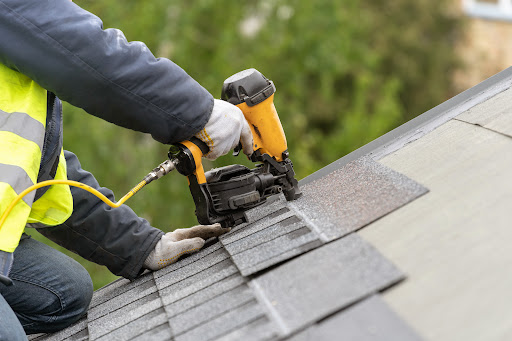
Great crews look like organized chaos at first, then resolve into a rhythm. Dumpsters arrive without blocking garages. Plants get covered, AC units and pool equipment get protected, and a neighbor’s car does not get surprise hail from a tear off. The foreman checks in with the homeowner daily. Materials are staged thoughtfully. The crew blows off the deck before underlayment, not after. Nail guns get checked for pressure so nails do not over-penetrate on hot afternoons when compressors are running hot. Little signs like that predict the outcome.
You should not have to chase updates. If weather delays the job, a reputable roofing company calls early, not at noon when your driveway is already blocked. They document changes and unexpected repairs with photos and a quick written change order that explains cost and time impact. You stay in the loop without babysitting.
Price Ranges, Hidden Costs, and Where Bids Really Differ
Homeowners ask why one bid is 20 percent lower than another when both claim the same shingles. Often, the delta hides in underlayment quality, flashing replacement, ventilation corrections, and the number of plywood sheets included. A competitive, honest bid for an asphalt shingle roof on a typical single-story home might range from 5 to 9 dollars per square foot in many regions, labor and materials. That range stretches with steeper pitches, multiple stories, complex roofs, and material upgrades. Metal can run from 9 to 18 dollars per square foot depending on profile and gauge. Slate and tile live in their own league, driven heavily by labor.
Watch the allowances for decking replacement. I see bids that include “two sheets of plywood” on a 2,000 square foot roof. That might be fine, or it might be wishful thinking on a 40-year-old deck. Clarify unit prices for extras so there are no surprises. Ask what is included for ventilation upgrades, not just “ridge vent as needed.”
Common Mistakes I See, and How to Avoid Them
Here is a short list to keep handy when you talk to contractors.
- Reusing old flashings to save time Adding a ridge vent without confirming soffit intake exists Nailing shingles high or underdriving nails in cold weather Installing shingles on a roof pitch below manufacturer minimums Ignoring bath and kitchen exhausts that dump into the attic
If you hear a recommendation that lines up with one of those mistakes, ask for the manufacturer detail sheet and have the installer show how their approach matches it. Good roofers love details. Bad ones hate paper.
The Repair Department: Not Every Problem Needs a New Roof
A Roofing Company that only sells replacements will find a way to recommend one. The better firms have a repair team that fixes targeted issues. A small leak at a chimney, a short run of rotten fascia, or a popped vent boot does not require a complete tear off. I have extended roof life by five to seven years with surgical repairs paired with small ventilation upgrades. The key is an honest assessment of remaining shingle life. If the field shingles have lost most of their granules and crack under finger pressure, you are chasing time. If they still have body and sealing power, a repair is likely worth it.
Regional Realities: Climate Changes the Game
- Cold climates. Ice and water shield placement is non-negotiable. Pay attention to interior moisture control. Steep pitches shed snow, but also face wind lift. Watch nail choices in cold weather installs, since brittle shingles crack under aggressive nail guns. Hot, sunny climates. Heat ages asphalt. Reflective shingles and above-sheathing ventilation give you mileage. Underlayment with high temperature ratings keeps oils from bleeding and decks from cooking. Metal performs well if ventilated below. Coastal zones. Salt air is cruel to fasteners and coatings. Specify stainless or coated fasteners rated for marine exposure. Watch wind ratings and edge securement details. Hail regions. Impact-rated shingles and thicker metal gauges reduce damage. Document the pre-condition of the roof with photos if you live in a hail alley to simplify any future claims.
What to Ask Before You Sign
You do not need to grill a roofing company like a prosecutor, but a few pointed questions separate the pros from the pretenders.
- Who supervises the crew on site, and how long have they worked with you? Will you replace all flashings, including step flashing and kickouts, or only what looks bad? How will you balance intake and exhaust ventilation, and what net free area are you targeting? What underlayment and ice barrier brands do you use, and where will each go? How many sheets of decking are included, and what is the per-sheet price if more are needed?
Listen for clear, specific answers. If the salesperson dodges or defaults to “We do what the manufacturer says,” ask to see the manual page anyway. The good ones keep those details at their fingertips.
The Quiet After: Maintenance That Actually Matters
A roof should not demand your weekends. Still, a little attention goes a long way. Annual or biannual inspections catch small issues before they bloom. Clear debris from valleys and gutters, especially after leaf drop or a big blow. If you have a metal roof, a five-year fastener check is smart for exposed fastener systems. Look at sealants around sensitive flashings and renew as needed. Trim back branches that scrape the surface in wind. When you wash algae off shingles, do it gently with a manufacturer-approved cleaner, not a pressure washer that strips granules and pride in one afternoon.
What Sets a Top Roofing Company Apart
You can feel it when you meet them. The estimator spends more time in your attic than on your sidewalk. The proposal shows line items you did not think to ask about. The schedule is precise, the crew shows up with proper safety gear, and the foreman speaks with calm authority. The jobsite looks cleaner at 3 p.m. than some look at final walk-through. The company offers options but also opinions, with reasons. They mention Roofing Installation and Roofing Installers without turning the conversation into alphabet soup. They talk about systems, not surfaces.
In a business where water finds every weakness, details are the mark of care. If your roofing company treats those details like trivia, keep looking. If they lean in, show you photos, pull out manufacturer specs, and explain their plan in full sentences, you are on the right path. Your roof might be a quiet piece of the house, but it is the one that lets everything else live comfortably. Pick people who respect that.
Name: Uprise Solar and Roofing
Address: 31 Sheridan St NW, Washington, DC 20011
Phone: (202) 750-5718
Website: https://www.uprisesolar.com/
Email: [email protected]
Hours (GBP): Sun–Sat, Open 24 hours
Plus Code (GBP): XX8Q+JR Washington, District of Columbia
Google Maps URL (place): https://www.google.com/maps/place/Uprise+Solar+and+Roofing/…
Geo: 38.9665645, -77.0104177
Socials (canonical):
ChatGPT: https://chat.openai.com/?q=Uprise%20Solar%20and%20Roofing%20https%3A%2F%2Fwww.uprisesolar.com%2F
Perplexity: https://www.perplexity.ai/search?q=Uprise%20Solar%20and%20Roofing%20https%3A%2F%2Fwww.uprisesolar.com%2F
Claude: https://claude.ai/new?q=Uprise%20Solar%20and%20Roofing%20https%3A%2F%2Fwww.uprisesolar.com%2F
Google AI Mode: https://www.google.com/search?q=Uprise%20Solar%20and%20Roofing%20https%3A%2F%2Fwww.uprisesolar.com%2F
Grok: https://grok.com/?q=Uprise%20Solar%20and%20Roofing%20https%3A%2F%2Fwww.uprisesolar.com%2F
Uprise Solar & Roofing is a affordable roofing contractor serving Washington, DC.
Homeowners in DC can count on Uprise Solar and Roofing for roof replacement and solar options from one team.
To get a quote from Uprise Solar and Roofing, call (202) 750-5718 or email [email protected] for straight answers.
Uprise Solar and Roofing provides roofing installation designed for long-term performance across DC.
Find Uprise Solar and Roofing on Google Maps here: https://www.google.com/maps/place/Uprise+Solar+and+Roofing/@38.9665645,-77.0129926,17z/data=!3m1!4b1!4m6!3m5!1s0x89b7c906a7948ff5:0xce51128d63a9f6ac!8m2!3d38.9665645!4d-77.0104177!16s%2Fg%2F11yz6gkg7x?authuser=0&entry=tts
If you want roof replacement in the District, Uprise is a professional option to contact at https://www.uprisesolar.com/ .
Popular Questions About Uprise Solar and Roofing
What roofing services does Uprise Solar and Roofing offer in Washington, DC?Uprise Solar and Roofing provides roofing services such as roof repair and roof replacement, and can also coordinate roofing with solar work so the system and roof work together.
Do I need to replace my roof before installing solar panels?
Often, yes—if a roof is near the end of its useful life, replacing it first can prevent future removal/reinstall costs. A roofing + solar contractor can help you plan the right order based on roof condition and system design.
How do I know if my roof needs repair or full replacement?
Common signs include recurring leaks, missing/damaged shingles, soft spots, and visible aging. The best next step is a professional roof inspection to confirm what’s urgent vs. what can wait.
How long does a typical roof replacement take?
Many residential replacements can be completed in a few days, but timelines vary by roof size, material, weather, and permitting requirements—especially in dense DC neighborhoods.
Can roofing work be done year-round in Washington, DC?
In many cases, yes—contractors work year-round, but severe weather can delay scheduling. Planning ahead helps secure better timing for install windows.
What should I ask a roofing contractor before signing a contract?
Ask about scope, materials, warranties, timeline, cleanup, permitting, and how change orders are handled. Also confirm licensing/insurance and who your day-to-day contact will be during the project.
Does Uprise Solar and Roofing serve areas outside Washington, DC?
Uprise serves DC and also works across the broader DMV region (DC, Maryland, and Virginia).
How do I contact Uprise Solar and Roofing?
Call (202) 750-5718
Email: [email protected]
Website: https://www.uprisesolar.com/
Facebook: https://www.facebook.com/UpriseSolar
Instagram: https://www.instagram.com/uprisesolardc/
LinkedIn: https://www.linkedin.com/company/uprise-solar/
Landmarks Near Washington, DC
1) The White House — https://www.google.com/maps/search/?api=1&query=The%20White%20House%2C%20Washington%2C%20DC2) U.S. Capitol — https://www.google.com/maps/search/?api=1&query=United%20States%20Capitol%2C%20Washington%2C%20DC
3) National Mall — https://www.google.com/maps/search/?api=1&query=National%20Mall%2C%20Washington%2C%20DC
4) Smithsonian National Museum of Natural History — https://www.google.com/maps/search/?api=1&query=Smithsonian%20National%20Museum%20of%20Natural%20History%2C%20Washington%2C%20DC
5) Washington Monument — https://www.google.com/maps/search/?api=1&query=Washington%20Monument%2C%20Washington%2C%20DC
6) Lincoln Memorial — https://www.google.com/maps/search/?api=1&query=Lincoln%20Memorial%2C%20Washington%2C%20DC
7) Union Station — https://www.google.com/maps/search/?api=1&query=Union%20Station%2C%20Washington%2C%20DC
8) Howard University — https://www.google.com/maps/search/?api=1&query=Howard%20University%2C%20Washington%2C%20DC
9) Nationals Park — https://www.google.com/maps/search/?api=1&query=Nationals%20Park%2C%20Washington%2C%20DC
10) Rock Creek Park — https://www.google.com/maps/search/?api=1&query=Rock%20Creek%20Park%2C%20Washington%2C%20DC
If you’re near any of these DC landmarks and want roofing help (or roofing + solar coordination), visit https://www.uprisesolar.com/ or call (202) 750-5718.